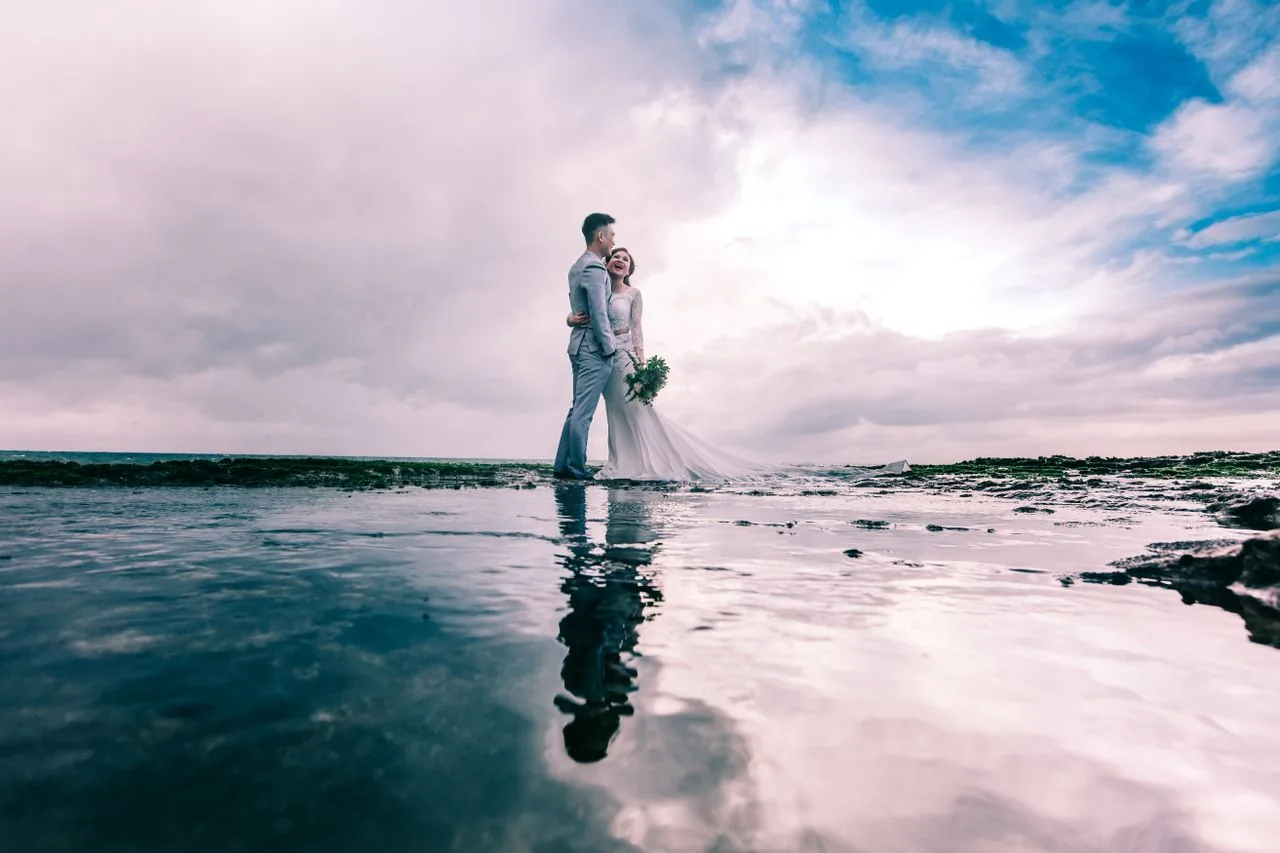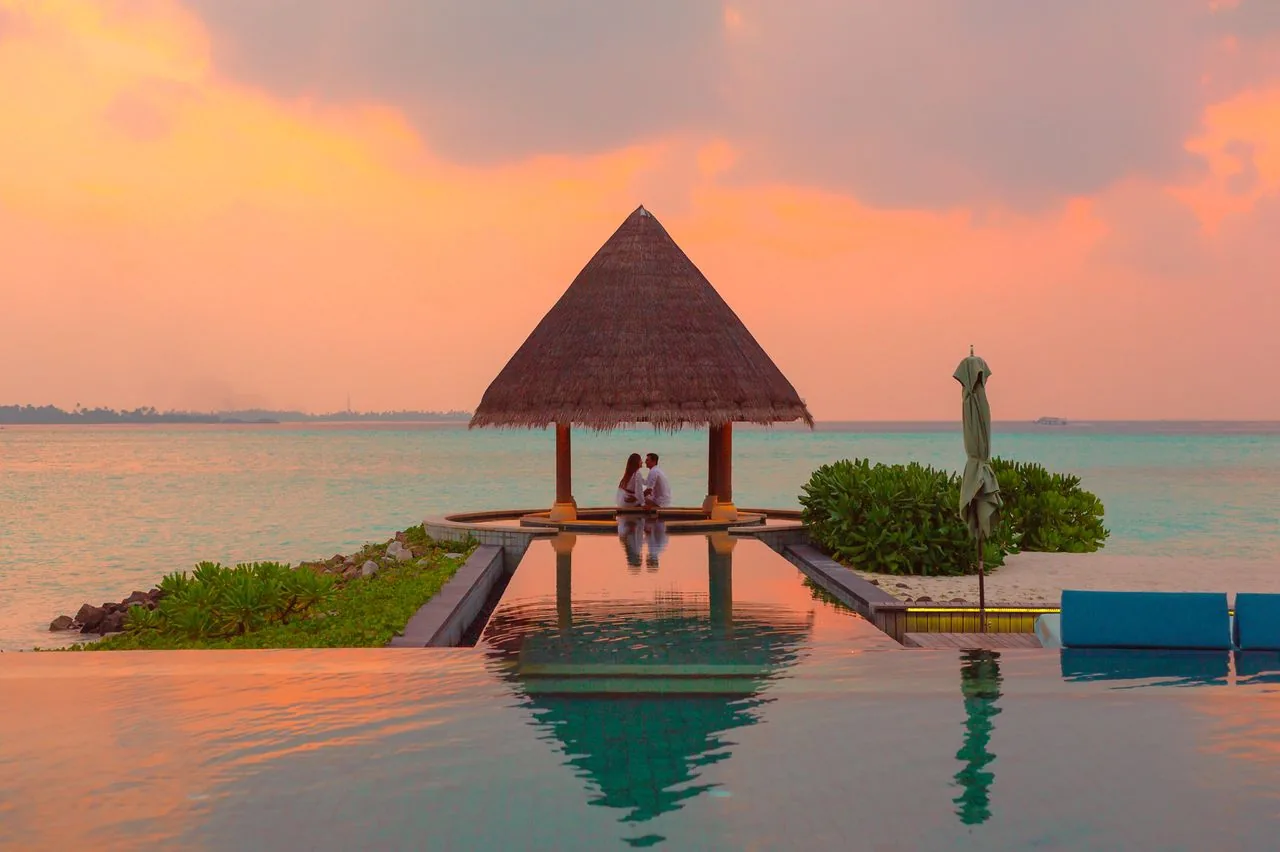
The whole appeal of a destination wedding is that people travel to be with you — and then, somehow, the schedule treats them as if they've popped round the corner for an afternoon. Two days is the sweet spot: long enough that the celebration breathes, short enough that nobody needs a week of annual leave to attend. The trick isn't cramming more in. It's pacing the hours so that by Sunday lunch everyone feels well-fed, well-rested and faintly reluctant to leave.
Day One: A Soft Landing, Not a Marathon
Resist the urge to programme the first day to the minute. Guests have likely flown, lost a few hours to a time zone, and want a shower before they want a schedule. Hold the welcome gathering for the evening — six o'clock at the earliest — and keep it deliberately loose: drinks, something to eat standing up, no speeches. The point of the first night is recognition, the slow pleasure of spotting faces from across a courtyard. Many of the best two-day plans I've seen, and most of the well-paced examples in the wedding pages at two-day celebration ideas, treat that opening evening as a warm-up rather than the main event. End it earlier than feels natural. The temptation to let the first night run late is exactly the thing that ruins the second.
Day Two: Build Toward the Evening
This is the day that carries the wedding, so let the morning stay calm. A late breakfast, time for hair and the slow business of getting ready, perhaps a walk for anyone restless. Aim the ceremony for the late afternoon — an hour or so before the light softens — so that the photographs catch the golden window and the reception rolls naturally into dinner. A 4:30 ceremony, a 5:00 drinks hour, dinner by 7:00: that spine works almost anywhere, and it leaves the dancing to find its own end. Build in twenty minutes of slack at every handover. Destination venues run on local time, which is to say later than the schedule promises, and the couple who plan for that arrive at their own dinner unhurried.
The Morning After Is Part of the Wedding
The most underrated hours of any two-day celebration are the ones after it's officially over. A relaxed brunch on the final morning — eggs, fruit, strong coffee, last night's flowers still on the table — is where the real conversations happen and where guests say the goodbyes that the wedding itself was too busy for. Keep it open-ended, no set finish, and let people drift off to their flights as they need to. It costs little and it's the part everyone remembers as generous.
What to Leave Out
Every couple I've worked with has wanted to add a third event — a group excursion, a structured activity, a themed lunch. Almost none of them missed it once it was cut. Two anchored gatherings and one easy brunch is plenty; the empty stretches in between are not gaps to fill but the reason people enjoy themselves. Give guests an afternoon to nap, swim or wander a market on their own, and they'll arrive at the next event glad to be there rather than quietly counting down to bed.