There's a particular kind of venue that asks something of your guests before it gives anything back. It sits forty minutes past the last roundabout, down a lane that narrows twice and seems, for a worrying mile, to be leading nowhere at all. And then the trees thin, the road tips toward the water or the rows of vines, and everyone in the car goes quiet. That silence is the whole point. The best coastal and vineyard venues don't compete with the moment of arrival — they engineer it.
Why distance flatters a wedding
A venue that takes effort to reach changes the temperature of the day. Guests who've spent an hour winding through hills or hugging a shoreline don't drift in distractedly; they arrive committed, a little awed, already on your side. The journey becomes the first act of the celebration rather than an inconvenience to apologise for. I've watched couples agonise over whether a remote clifftop estate is "too far," and the honest answer is that ninety minutes of beautiful driving is worth more to a wedding than a convenient hotel ballroom ever could be. People remember the road in. They almost never remember the parking.
The practical trade is real, of course. You'll want to think about a shuttle for the 6pm-onwards drinkers, and a clear note in the invitation about travel time so nobody plans to "pop back" for a forgotten jacket. But solve the logistics once, and the setting works for you all night.
What a coastal site actually offers
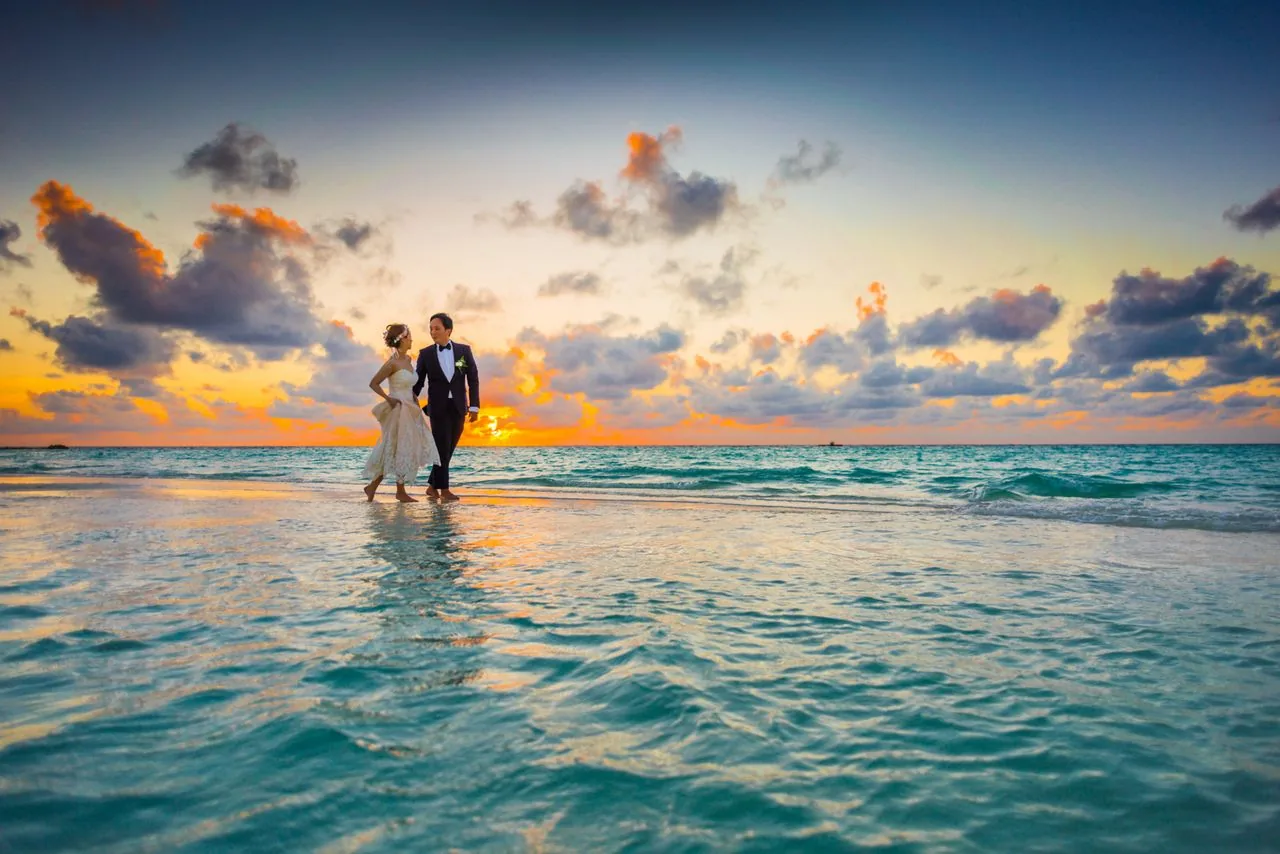
Coastal venues sell a fantasy of endless blue, but the ones that deliver are the ones with a plan for weather. Look for a site with at least two distinct ceremony positions — a lawn for the postcard day and a covered terrace or stone barn for the wind that arrives uninvited around 4pm. The light is the genuine asset: a west-facing aspect gives you that long, forgiving golden hour roughly an hour before sunset, which is when photographs stop looking like photographs and start looking like memories. Ask any venue you tour exactly where the sun sets in your month, and watch how confidently they answer.
The other quiet luxury of the coast is sound. Replace a DJ's between-song silence with the sea and you've spent nothing and gained everything.
The case for the barrel room
Vineyards do something coasts can't: they hand you a built-in narrative. The wine your guests drink was made fifty metres from where they're sitting, and there is no centrepiece more persuasive than a row of vines turning copper in October. A barrel-room dinner — long tables, low light, oak stacked to the ceiling — needs almost no decorating, which is where the budget quietly rights itself. I'd happily trade three thousand pounds of florals for one honest harvest-season vineyard and a string of warm festoon lights.
Book the shoulder seasons if you can. Late September and early May give you the colour and the warmth without the August crowds or the August rates, and an estate that's relaxed rather than run off its feet is a better host for everyone.
Choosing between the two
If your crowd is the dancing-till-1am sort, the coast's open air and big skies will hold their energy. If they're the long-lunch, second-bottle, tell-me-everything sort, a vineyard's enclosed warmth suits them better. Neither is wrong. Both reward the drive — and both make the journey home, headlights tracing the same dark lane in reverse, feel like the gentle closing of something rather than merely the end of a party.