The ceremony is the reason; the reception is the memory. Ask anyone about a wedding they loved and they'll describe the night, not the eleven minutes of vows—the food, the toast that landed, the moment the dancing tipped over from polite into joyful. For a destination wedding this matters even more, because your guests have crossed an ocean for this evening. The reception is where you repay that journey. Here's how to design the hours after the vows so they're worth the flight.
Decide the Feeling First
Before you choose a single tablecloth, decide what you want the night to feel like. A long, slow, conversational dinner is a fundamentally different event from a high-energy party, and trying to be both usually means being neither. The couples whose receptions I remember most clearly all made this choice early and built backward from it. A destination wedding gives you natural permission to lean into place; whether you're working from the loose definition on a reference like the overview of destination weddings or simply following your own instinct, the surroundings should shape the mood rather than fight it. A courtyard wants candlelight and lingering. A beach wants bare feet and volume. Let the location tell you what kind of night it wants to be.
Food and the Shape of the Evening
The single biggest lever on how a reception feels is how you serve dinner. A plated meal is elegant and controlled but pins everyone to their chairs for ninety minutes. Long shared tables of family-style platters do the opposite, creating a low hum of passing and reaching that loosens a room faster than any cocktail. Whatever you choose, protect the rhythm: a forty-minute gap between the ceremony and dinner keeps energy up, while a marathon of seven courses kills a dance floor before it opens. The best receptions feed people well and then, crucially, let them get up.
Toasts, Music and the Pivot to Dancing
Three toasts, four minutes each, is a rule worth treating as law. Beyond that, even a brilliant speech starts borrowing time from the part of the night people came for. Plan the pivot to dancing deliberately—a great band or a DJ who can read a room is the difference between a floor that fills at the first song and one that never quite does. The transition from sitting to dancing is the most fragile moment of any reception; design it on purpose, with the right song cued and the lights already lowered, and the night will carry itself from there.
The Details People Actually Remember
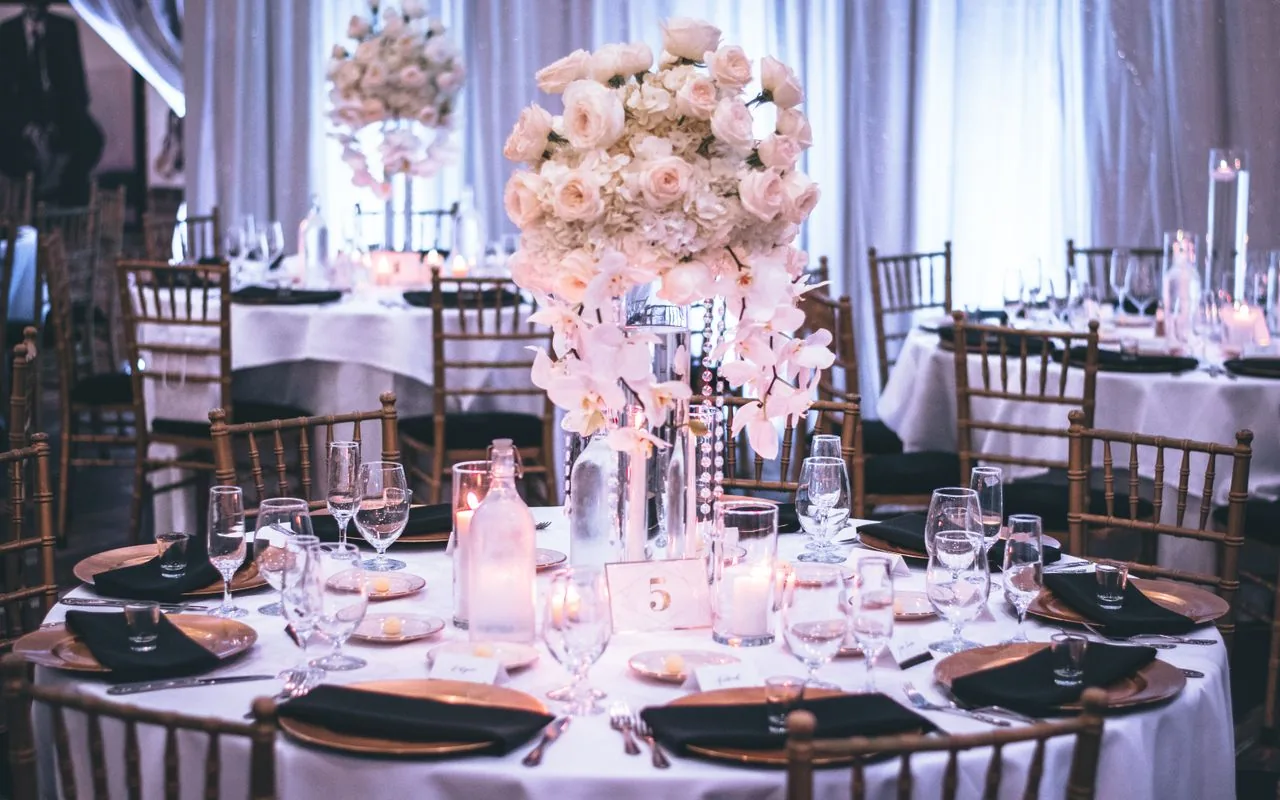
In the end, guests forget the centrepieces and remember the comforts: a quiet corner to sit when their feet hurt, water that appeared without asking, a late-night plate of something warm at eleven o'clock. The most generous thing a couple can do is design for their guests' ease rather than the photographs. Give people good light, good food, a reason to stay, and a graceful way home, and you'll have built the thing every reception is reaching for—a night nobody wants to leave, somewhere they'll always remember being.